

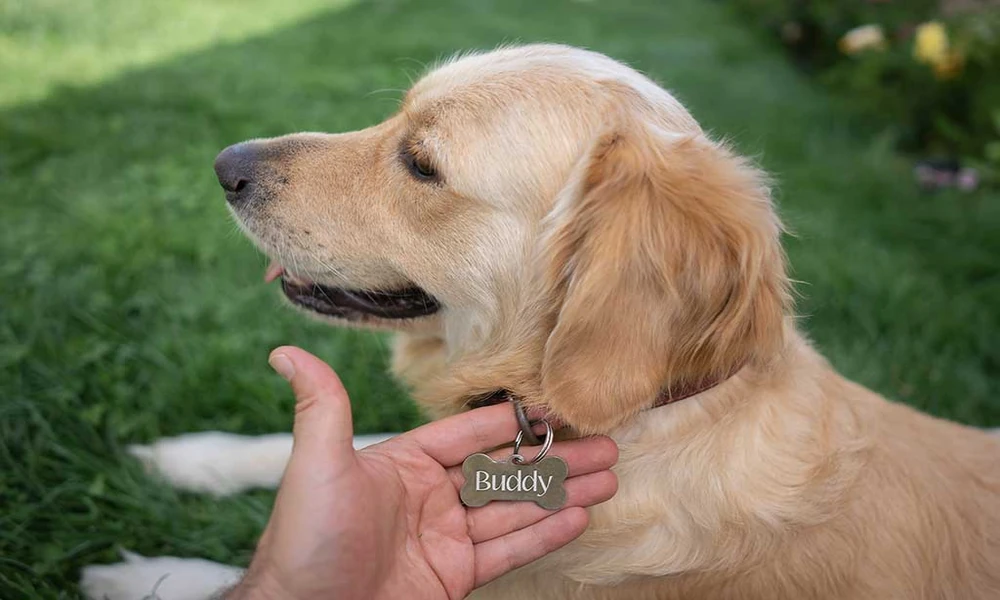
Why the Right Name Matters More Than You Think
Naming a dog is one of the first real decisions a new pet owner makes, and it has more practical significance than most people expect. A dog’s name is used dozens of times a day – during training, on walks, at the vet, in the backyard. Names that are easy to say clearly and sound distinct from common commands tend to produce better results in training, simply because the dog can differentiate their name from words like “sit,” “stay,” or “no.”
Short names – one or two syllables – are generally easier for dogs to respond to than longer ones. Dogs respond more reliably to sharp consonant sounds, which is why names like “Rex,” “Scout,” or “Bella” have remained popular across generations of pet owners. That said, personality and appearance often drive the final decision as much as phonetics do.
Finding the right fit takes some trial and error. A name generator for dogs can help narrow things down by filtering options based on breed, personality traits, and size – giving new owners a curated starting point rather than an overwhelming list of every dog name ever used.
The name you choose will also follow your dog into every social interaction they have. Other dog owners, vets, groomers, and boarding staff will all use it. Names that are easy to spell and pronounce for other people save a surprising amount of repetitive explanation over the course of a dog’s life.
How to Test a Name Before You Commit
Once you have a shortlist, testing the names in real conditions is worth the few minutes it takes. Say the name sharply from across the room and see whether your dog’s ears perk up or their head turns. Names with strong vowel sounds or a clear ending consonant tend to register faster. Names that blend into ambient noise – soft sounds, long vowels, similar phonemes to furniture words people say frequently – tend to get ignored.
It also helps to say the name in several tones: the enthusiastic recall tone, the gentle reassurance tone, and the firm correction tone. If the name sounds natural in all three registers, it will hold up across the full emotional range of daily dog ownership. Names that only sound good when you’re happy tend to lose their effectiveness during training moments that require firmness.
The American Kennel Club recommends avoiding names that sound like commands or like the names of other pets or people in the household, which can create confusion during training – especially in multi-dog households where individual recall is critical.
Give yourself a week before fully committing. Use the name consistently, watch how your dog responds, and be honest about whether it feels natural. Most owners know within a few days whether a name fits. The ones that stick are usually the ones that feel right to say out loud twenty times a day without thinking about it.
Popular Categories and Where to Find Inspiration
Dog names tend to cluster around a few reliable categories: human names that have crossed over into pet naming (Luna, Charlie, Daisy, Max), nature-inspired names (River, Sage, Aspen, Storm), food names (Biscuit, Pepper, Mocha, Ginger), and names drawn from pop culture, mythology, or literature. Each category has its advantages – human names feel warm and familiar; nature names tend to be distinctive; food names are often unexpectedly charming in practice.
Breed characteristics sometimes suggest a natural direction. A Bernese Mountain Dog might feel right with a Swiss or Germanic name. A Shiba Inu owner might look toward Japanese options. A greyhound that moves like lightning might end up with something from Greek mythology. None of these are rules – they are just starting points for owners who feel stuck.
Whatever you choose, consistency in the early weeks matters more than the name itself. Using the name clearly and positively, pairing it with treats and attention, and avoiding using it as a correction all help your dog learn that their name means something good is coming. That association is the foundation of every other training effort that follows.
