

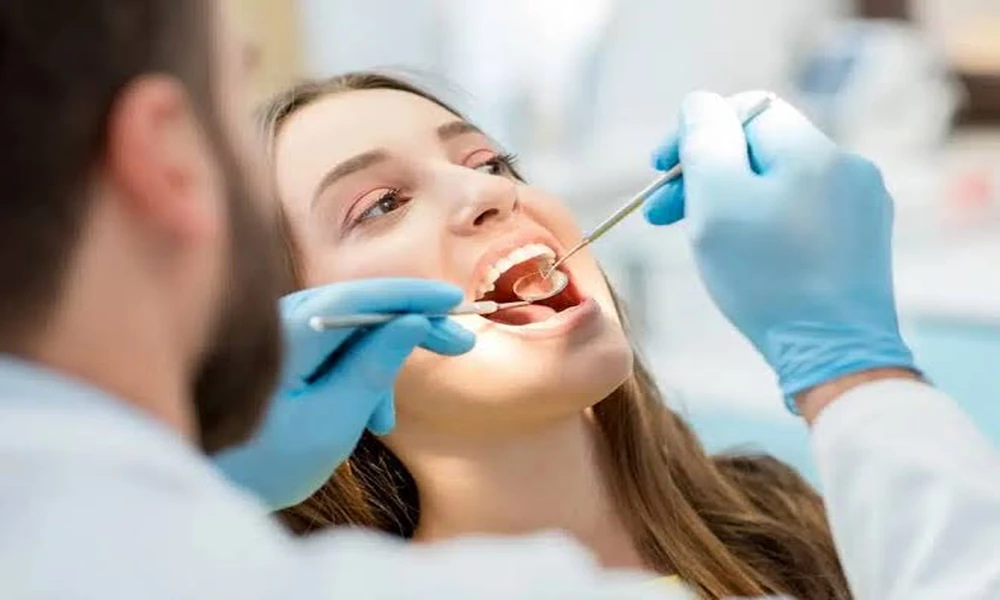
You finally feel ready to brighten your smile, then one detail complicates the whole plan. You have fillings, maybe several, and now you are hearing that whitening is not as simple as using a stronger gel or booking one visit. That can feel frustrating, especially if you have already spent time and money taking care of your teeth and assumed those old repairs would just blend in. Talking with a Fountain Valley dentist for the whole family can help you understand your options and create a plan that keeps your smile looking its best.
This is the issue. Teeth whitening changes natural tooth enamel, but it does not lighten most filling materials. If you have visible fillings, especially on front teeth or the edges of your smile, the shade match you have today may not be the shade match you have after treatment. A good cosmetic dental whitening plan looks at those restorations first, because the goal is not just whiter teeth. The goal is a smile that still looks even, healthy, and natural.
Existing fillings can stay the same color while your teeth get lighter
This is the first reason whitening plans need more thought when fillings are involved. Bleaching agents work on natural tooth structure. Composite resin, amalgam, porcelain, and other restorative materials respond differently, and many do not whiten at all. The result can be obvious. Your surrounding enamel gets brighter, while the filling keeps its old shade.
You may not notice this much if the filling is tucked away on a back molar. You probably will notice it if the filling sits on a front tooth, near the gumline, or on a tooth that shows when you laugh. Someone can whiten their teeth and end up focusing even more on the exact spot they wanted to feel better about.
The National Institute of Dental and Craniofacial Research explains the wide range of dental materials used in fillings and restorations, which helps explain why one tooth may react very differently from another during a whitening plan.
Older fillings can become more noticeable after cosmetic teeth whitening
Age matters. Fillings do not just sit unchanged forever. Over time, they can stain, lose polish, or pick up a yellow or gray tone from coffee, tea, smoking, and normal wear. If your natural teeth have darkened too, everything may still seem to match well enough. Once the enamel is whitened, those older restorations can stand out fast.
This is where people feel blindsided. Before whitening, the smile looked a little dull but fairly even. After whitening, one small bonded area suddenly looks darker, flatter, or more opaque than the rest of the tooth. The whitening itself did not fail. It revealed a mismatch that was already there.
That is one of the main reasons fillings and teeth whitening should be planned together instead of treated as separate issues.
Whitening ingredients can increase sensitivity around repaired teeth
If you have fillings, especially older ones, sensitivity can be part of the conversation. Whitening products often use peroxide based ingredients, and some people feel temporary zing, cold sensitivity, or gum irritation during treatment. Around a tooth that already has a restoration, worn enamel, tiny edge gaps, or exposed dentin, that sensation can feel stronger.
The prescribing information for a peroxide based whitening product, available through DailyMed whitening product labeling, describes known irritation and sensitivity concerns that need to be considered before use.
You may already know the feeling. Cold water hits one side of your mouth and one tooth complains more than the others. Whitening can amplify that if the tooth needs attention first. A family and cosmetic dentist can check whether the issue is mild sensitivity or a filling that is failing, leaking, or due for replacement.
Some fillings need replacement after whitening for a natural result
This is often the part people do not expect. If your teeth whiten to a lighter shade and your visible fillings do not match, replacement may be the next step. That is not a sign something went wrong. It is often the planned sequence for a better cosmetic outcome.
A common example is a person with bonding on a front tooth from a small chip years ago. The repair looked fine then. After whitening, that bonded spot may look darker than the tooth around it. The solution is usually to whiten first, wait for the shade to stabilize, then replace the visible filling or bonding to match the new tooth color.
This is why a teeth whitening plan with existing dental work should be customized. Doing everything in the right order can save money, avoid repeat work, and keep you from chasing a result that never looks fully blended.
Professional whitening and unsupervised whitening create different risks with fillings
| Approach | What Happens With Existing Fillings | Main Risk | Best Use |
|---|---|---|---|
| Store bought strips or kits | Natural teeth may lighten unevenly around restorations | Shade mismatch and untreated sensitivity | People with no visible fillings and low sensitivity |
| Online whitening trends | No material check, no shade planning | Irritation, overuse, poor cosmetic result | Rarely a good choice when fillings are present |
| Professional take home trays | Shade can be monitored and adjusted around dental work | Temporary sensitivity if not managed well | People who want a gradual approach |
| In office whitening with dental supervision | Existing restorations can be evaluated before treatment | Visible fillings may still need replacement after whitening | People with cosmetic goals and prior dental work |
Clear next steps make cosmetic dentistry less stressful
Schedule a shade and restoration check. Before whitening, have every visible filling, bonded area, and crown evaluated. You want to know what will whiten, what will not, and which teeth may need follow up cosmetic work.
Treat sensitivity and repair problems first. If a tooth already feels sharp with cold drinks or brushing, do not push through it with whitening. A small filling defect or exposed root can turn a cosmetic treatment into a miserable week.
Whiten first, then match visible fillings. If replacement is likely, the usual sequence is whitening, waiting for the final shade to settle, and then updating front facing restorations. That gives your dentist a stable color to match.
A better whitening result starts with the dental work you already have
You are not overthinking this. Existing fillings really can change the outcome of a whitening plan, and paying attention to them early is how you avoid patchy color, extra sensitivity, and redoing work later. The best cosmetic result usually comes from planning the whole smile, not just the enamel.
If you are considering whitening, start with a visit to a family and cosmetic dentist who can evaluate your current dental work and map out the right order of treatment for a smile that looks brighter and still looks like you.
