

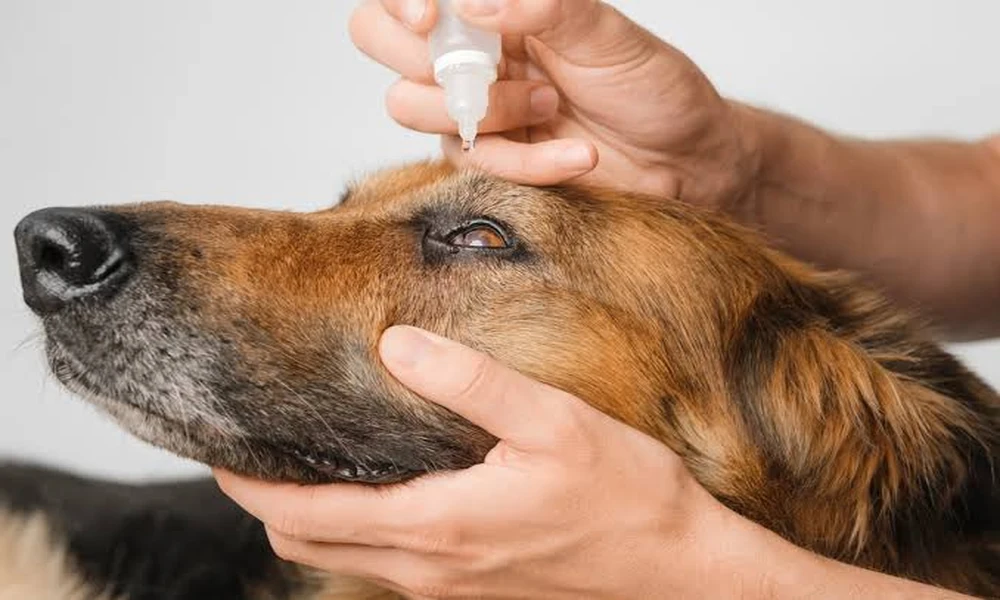
You know your pet’s face better than anyone. That is why even a small change in the eyes can stop you cold. Maybe one eye looks cloudy in certain light, maybe the pupil seems larger than usual, or maybe the eye suddenly looks red, bulging, or oddly blue. It is easy to wonder if you are overreacting. You are not. Eye changes in pets can be minor, but they can also point to pain, injury, or a condition that needs quick treatment. In some cases, your veterinarian may recommend minimally invasive pet surgery in Guelph.
What changes in a pet’s eye appearance may signal often comes down to one thing. The eye is showing you that something inside it, around it, or affecting the whole body has changed. Some problems develop slowly. Others can threaten vision within hours. If your dog or cat is squinting, pawing at the face, avoiding light, or acting unlike themselves along with a visible eye change, a general veterinarian should see them as soon as possible.
Visible eye changes in pets can point to pain, pressure, or injury
A red eye can mean irritation, infection, trauma, dry eye, inflammation, or rising pressure inside the eye. A cloudy eye may come from aging changes, corneal damage, cataracts, or deeper disease. If one pupil is suddenly larger or smaller than the other, that can signal nerve trouble, pain, glaucoma, or a problem inside the eye itself. A swollen or bulging eye is never something to watch for a few days. That can reflect severe pressure, bleeding, a mass, or injury behind the eye.
You may also notice the lens seems out of place, as though something in the center of the eye has shifted. In dogs, that can happen with lens luxation, a condition where the lens moves from its normal position. Cornell’s overview of primary lens luxation explains why this is urgent, especially because it can lead to pain and glaucoma.
Sometimes the change is less dramatic. Tear staining suddenly gets worse. The eye looks dull. The surface seems hazy. Your pet keeps one eye partly closed. Those quieter signs still matter. Animals often hide pain well, and eye discomfort can show up as rubbing at the face, reduced appetite, hiding, restlessness, or snapping when touched near the head.
Some pet eye symptoms need same day veterinary care
Changes in pet eye appearance are not all equal. A little discharge after a dusty walk is different from a blue, enlarged, painful eye. Conditions such as glaucoma can worsen fast and may lead to vision loss if treatment is delayed. Cornell’s page on glaucoma in dogs describes common signs, including redness, cloudiness, pain, and enlargement of the eye.
If your pet’s eye looks suddenly bigger, very red, very cloudy, or the pupil shape has changed, time matters. The same is true if there is trauma, bleeding, green or yellow discharge, or your pet cannot open the eye. What starts as “it looked a little off this morning” can become a painful emergency by evening.
There is also the money side of this, and that stress is real. Many owners hesitate because they worry they will bring their pet in for “nothing.” The harder truth is that waiting can turn a simple exam and medication into advanced treatment, surgery, or permanent vision loss. Early care is often the less costly path as well as the safer one.
Common eye appearance changes and what they may mean
| What You See | What It May Signal | How Urgent It Is |
|---|---|---|
| Redness in one or both eyes | Irritation, infection, injury, inflammation, glaucoma | Prompt exam, same day if painful or sudden |
| Cloudiness or blue haze | Corneal ulcer, edema, cataract, glaucoma, aging change | Prompt exam, same day if new or paired with squinting |
| One pupil larger than the other | Nerve issue, pain, glaucoma, trauma, internal eye disease | Same day veterinary care |
| Bulging or enlarged eye | Glaucoma, mass, bleeding, swelling behind the eye | Urgent, often emergency care |
| Visible shift in the lens | Lens luxation | Urgent, same day care |
| Thick yellow or green discharge | Infection, severe inflammation, corneal disease | Prompt exam |
Watching and waiting can make pet vision problems worse
pet eye warning signs are easy to second guess because some eye diseases do not look dramatic at first. A dog with glaucoma may just seem quiet and clingy. A cat with a painful ulcer may only blink more than usual and hide under the bed. By the time the eye looks obviously abnormal, the pain may already be severe.
This is where general veterinarian care matters. A basic exam can check pressure, stain the cornea for scratches or ulcers, assess the pupil response, and look for deeper causes. That helps sort out a mild surface problem from something that threatens sight. Home remedies, leftover drops, or waiting to “see if it clears up” can make things worse, especially if the wrong medication is used.
Three steps to take when your pet’s eye looks different
1. Compare both eyes in good light. Look for differences in size, color, cloudiness, pupil shape, and discharge. Take a clear photo if your pet will tolerate it. A photo can help you track whether the change appeared suddenly or is getting worse.
2. Prevent rubbing and do not use human eye drops. Rubbing can deepen an injury. Human products and old pet medications may not be safe for the specific problem, and some drops can cause harm if the cornea is damaged.
3. Call your veterinary clinic promptly. Describe exactly what changed and when it started. Mention squinting, pawing, hiding, appetite changes, trauma, or vision changes such as bumping into things. Those details help the team decide how quickly your pet needs to be seen.
Fast attention protects comfort and vision
If your pet’s eye looks different, trust what you are seeing. A change in color, clarity, size, or shape is not something to brush off, especially when it appears suddenly or comes with pain. Eye changes in pets can signal anything from irritation to a true emergency, and early treatment gives your pet the best chance at relief and normal vision. Reach out to a general veterinarian as soon as you notice the change.
