

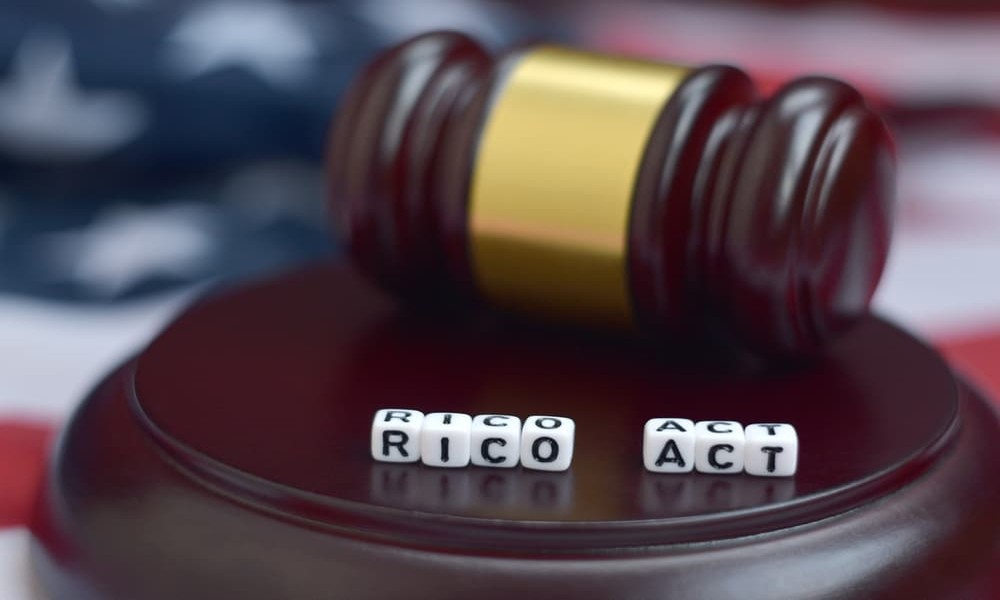
The Racketeer Influenced and Corrupt Organizations Act (RICO) allows prosecutors to target patterns of illegal conduct tied to organized activity. These cases reach far beyond mob stories and can involve businesses, professionals, or groups. The penalties are severe, which makes a clear grasp of the law essential.
A RICO case centers on a pattern of racketeering activity tied to an enterprise. This enterprise can be a formal organization or an informal group that works together for a shared purpose. A RICO attorney often explains that even indirect participation can fall under scrutiny. The law does not require someone to lead an organization to face charges. Any role that supports the pattern of illegal acts may be enough.
Key Elements Prosecutors Must Prove
First, there must be an enterprise that exists with some form of structure. Second, there must be a pattern of racketeering activity, which means at least two related criminal acts. Third, those acts must connect to the enterprise in a meaningful way.
Types of Crimes That Fall Under this Act
It covers a wide range of illegal acts that form a pattern.
- Fraud, including mail and wire fraud
- Bribery and corruption
- Money laundering
- Drug trafficking
- Extortion and threats
These offenses may seem unrelated at first glance, yet RICO ties them together through the idea of organized conduct. That flexibility allows federal authorities to address complex schemes.
Why Federal Penalties Are So Severe
RICO penalties reflect the seriousness of organized criminal activity. A conviction can lead to long prison sentences, often up to 20 years per count. In some cases, life sentences may apply if the underlying crime allows it. Financial penalties can also be substantial, including forfeiture of assets linked to the activity.
The law aims to disrupt entire networks rather than punish isolated acts. By targeting both individuals and the enterprise, these cases can dismantle operations at their core. This approach explains why federal prosecutors treat these cases with urgency. The impact extends well beyond a single defendant.
How RICO Applies Outside Organized Crime
Many people associate RICO with mafia cases, yet its reach extends further. Businesses, political groups, and even informal partnerships may face these charges under certain conditions. The key factor remains the presence of a coordinated pattern of illegal conduct. That means white-collar cases can also fall under this law.
In practice, this broad application creates both power and complexity. A second mention of a RICO attorney often comes up when individuals seek clarity on potential exposure. Legal guidance helps interpret how actions may fit into a larger pattern. Without that context, the scope of the law can feel overwhelming.
Common Defense Strategies
Defense in RICO cases often focuses on breaking the link between the defendant and the alleged enterprise. If that connection fails, the entire case may weaken. Another approach challenges the idea of a pattern, especially if the acts appear isolated or unrelated. These strategies require careful review of evidence and timelines.
Attorneys may also question the intent behind the alleged actions. Proving intent is a key part of many RICO charges. Without clear intent, prosecutors may struggle to meet the burden of proof. Each case brings its own facts, which shape the defense approach.
RICO cases stand apart due to their focus on patterns and organized conduct. The law allows federal authorities to address complex schemes that span time and participants. At the same time, its broad reach can pull in individuals who did not expect such serious charges.
