

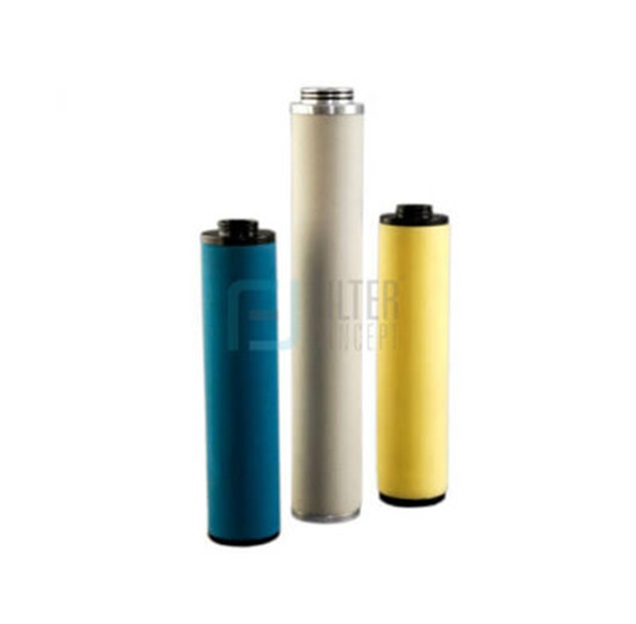
Compressed air filter selection determines air quality, energy efficiency, and uptime in every compressed air system; the right mix of particulate, coalescing, and activated carbon stages protects tools, product quality, and downstream dryers and valves. This guide explains air compressor filter types, what a compressed air filter does, how filters work together with dryers, and how to size, place, and maintain filters for different industries and purity classes.
What a Compressed Air Filter Does
A compressed air filter removes solid particles, water aerosols, oil aerosols, and vapors from compressed air to protect equipment and meet process air specifications. By intercepting contaminants before they reach valves, cylinders, instruments, and point‑of‑use equipment, filters reduce wear, prevent seal swelling, lower downtime, and stabilize product quality and yields. In regulated applications—food, pharma, electronics—filtering to tighter grades is essential to meet hygiene and surface cleanliness targets and to prevent taste/odor transfer and film defects.
Function of Compressed Air in Industry
Compressed air powers actuators, air knives, conveying, packaging, painting, instrumentation, and breathing/process air trains, but ambient intake always carries dust, humidity, and hydrocarbons that compressors concentrate. Without filtration, condensed water and oil emulsions create corrosion and fouling, raising pressure drops and energy costs across distribution networks. Proper filtration is therefore a core air treatment step alongside drying and oil removal to keep systems efficient and compliant with purity classes.
Air Compressor Filter Types
- Particulate (dust) filters: Remove solid particulates such as rust, scale, and dust; typically installed after dryers or upstream of sensitive tools to protect from desiccant fines and pipeline debris. These media act as sieves or depth filters, capturing particles via interception and impaction; micron ratings vary by grade for prefiltration or final dust removal. They are often used after adsorption dryers to catch desiccant dust or as final polishing before critical use points.
- Coalescing filters: Remove liquid water and oil aerosols by coalescing fine droplets into larger ones that drain away under gravity; they also capture fine particulate down to sub‑micron sizes. Good coalescers can reach 0.01 micron particulate performance and residual oil content as low as ~0.01 mg/m³ (≈0.008 ppm) when properly sized and maintained. They are the workhorse for liquid removal, typically installed upstream of adsorption carbon stages and downstream of aftercoolers to protect dryers and instruments.
- Activated carbon (adsorption) filters: Remove vapors, odors, and hydrocarbons that pass coalescers by adsorbing molecules on high‑surface‑area carbon media; essential for taste/odor critical processes and breathing/process air polishing. Carbon filters require pre‑coalescing to avoid aerosol saturation and are often followed by a dust filter to capture any carbon fines. Expect periodic replacement as adsorption sites fill and pressure drop rises; monitoring differential pressure and VOC breakthrough is key.
These three core categories—dust, coalescing, and adsorption—form modular trains tailored to contaminants and required ISO 8573‑1 purity classes across particles, water, and oil. Many vendors describe the same families with alternative labels like “dry particulate,” “oil coalescing,” and “vapor removal” filters, mapping to the same principles.
How Air Compressor Filters Work
- Particle capture: Depth or membrane media trap solids via interception, inertial impaction, and diffusion; finer grades reach sub‑micron capture with higher pressure drop. Post‑adsorption dust filters catch desiccant or carbon fines and corrosion products that would otherwise foul valves and dispense nozzles.
- Aerosol coalescence: Fine fibrous media force tortuous flow so microdroplets collide and merge; large drops settle to a collection zone for automatic drain‑off via float or timed drains. Proper installation orientation and reliable drains are essential to avoid re‑entrainment and carryover downstream.
- Vapor adsorption: Activated carbon’s pore structure provides massive surface area to capture VOCs; once saturated, breakthrough rises and pressure drop can increase, signaling replacement time. Carbon media must be protected from aerosols by upstream coalescers to avoid rapid fouling and loss of capacity.
Placing Filters in the System
- Aftercooler and receiver: A coalescing prefilter near the compressor outlet captures bulk water/oil aerosols after cooling, protecting refrigerated or desiccant dryers. Receivers act as separators for slugs; filters immediately downstream stabilize dryer loads and extend dryer service intervals.
- Downstream of dryers: Use a particulate filter after adsorption (desiccant) dryers to remove desiccant fines; this prevents instrument fouling and surface defects in painting/coating. Where odor or vapor control is required, follow coalescing with activated carbon and then a fine dust filter to trap carbon fines.
- Point of use: Sensitive tools, paint booths, packaging, and instrumentation benefit from local polishing filters sized for actual demand and duty cycle, minimizing the effect of network transients. For breathing/process air, use validated trains with appropriate monitoring and change‑out protocols aligned to site QA plans.
Sizing by Flow, Pressure, and Purity
- Flow rate and velocity: Select housings for actual SCFM/Nm³/h at operating pressure and temperature; oversize to keep face velocity and pressure drop within vendor limits at end‑of‑life differential pressure. A useful practice is choosing filters one or two sizes above nominal line size when demand surges, high humidity, or oil carryover is expected.
- Micron grade and oil rating: Map ISO 8573‑1 targets to filter stages; e.g., coalescer grade for 0.01 micron/0.01 mg/m³ oil, dust grade for 1 micron or finer as needed, and carbon stage for odor/VOC control. Always pair adsorption with prior coalescing and include drains with adequate capacity to prevent flooding and re‑ entertainment.
- Pressure drop and energy: Track initial and final ΔP to estimate energy impact; replacing elements before steep ΔP ramps can save more energy than running to full blockage. Install differential pressure gauges across each housing and log readings; step changes indicate saturation, fouling, or drain failure.
Maintenance and Change‑Out
- Coalescing elements: Replace per hours or ΔP thresholds; oil‑rich environments shorten life, while reliable drains and cool, dry inlet air extend it. Verify drain function periodically; stuck drains lead to carryover and downstream contamination events.
- Carbon elements: Replace when breakthrough is detected (odor/VOC) or per scheduled life; never use carbon as a primary aerosol trap. Follow carbon with a dust filter to prevent carbon fines from migrating into instruments or product zones.
- Particulate elements: Inspect regularly for loading and corrosion debris; after dryer media, expect periodic desiccant fines until beds stabilize. Keep spare kits in inventory to avoid running with bypassed or spent elements that raise scrap and downtime risk.
Common Filter Trains by Application
- General plant air: Aftercooler → coalescing prefilter → refrigerated dryer → particulate postfilter; add point‑of‑use coalescer for tools prone to oil sensitivity. This balances liquid removal, low dew point for corrosion control, and particulate polishing for valves and cylinders.
- Paint and finishing: Coalescing prefilter → desiccant dryer (low dew point) → particulate → activated carbon → final dust; ensures dry, oil‑free, odor‑free air for surface quality. Carbon breakthrough or moisture spikes can cause fisheyes and adhesion failures; use monitors and timely change‑outs.
- Food and beverage packaging: High‑efficiency coalescing → adsorption → sterile or fine particulate at point‑of‑use, aligned to site HACCP and supplier specs. Odor control and hydrocarbon limits are critical to taste and packaging integrity.
- Instrument air: Coalescing → dryer → particulate polishing near panels; keep dew point low and particle load minimal to protect I/P converters and positioners. Differential pressure indicators at panels help maintenance prioritize element changes.
For Answering the Key Questions
- Air Compressor filter types: The primary families are particulate (dust) filters, coalescing filters for water/oil aerosols, and activated carbon (adsorption) filters for vapors/odors; they are used in series to meet purity classes. Some vendors further segment by micron grades and by specialty prefilters or sterile filters, but most systems are built from these three core types.
- What does a Compressed air filter do: It removes solids, liquids, and vapors from compressed air to protect equipment, improve energy efficiency, and meet process air quality requirements; coalescers and carbons target different contaminant phases. Effective filtration prevents corrosion, seal swelling, instrument fouling, and off‑spec finishes or tastes in sensitive applications.
- Function of Compressed air: Compressed air is a utility used to power and control manufacturing, packaging, finishing, and instrumentation, but the compression process concentrates intake contaminants, demanding filtration and drying to maintain reliability and product quality. Filtering and drying lower lifecycle costs by reducing failures, leaks, and pressure losses across the distribution system.
Quick Selection Checklist
- Identify contaminants: solids, water, oil aerosols, vapors; test or infer from compressor type and intake conditions.
- Map purity target: reference ISO 8573‑1 for particle, water, and oil classes to pick grades and stages.
- Place correctly: pre‑dryer coalescer, post‑dryer dust, adsorption with pre‑coalescer and post‑dust for VOC control.
- Size for peak: consider surge flows, ambient humidity, and end‑of‑life ΔP; add drains and DP gauges to each housing.
- Maintain: schedule element change‑outs and validate with ΔP and odor checks; never let drains fail.
