

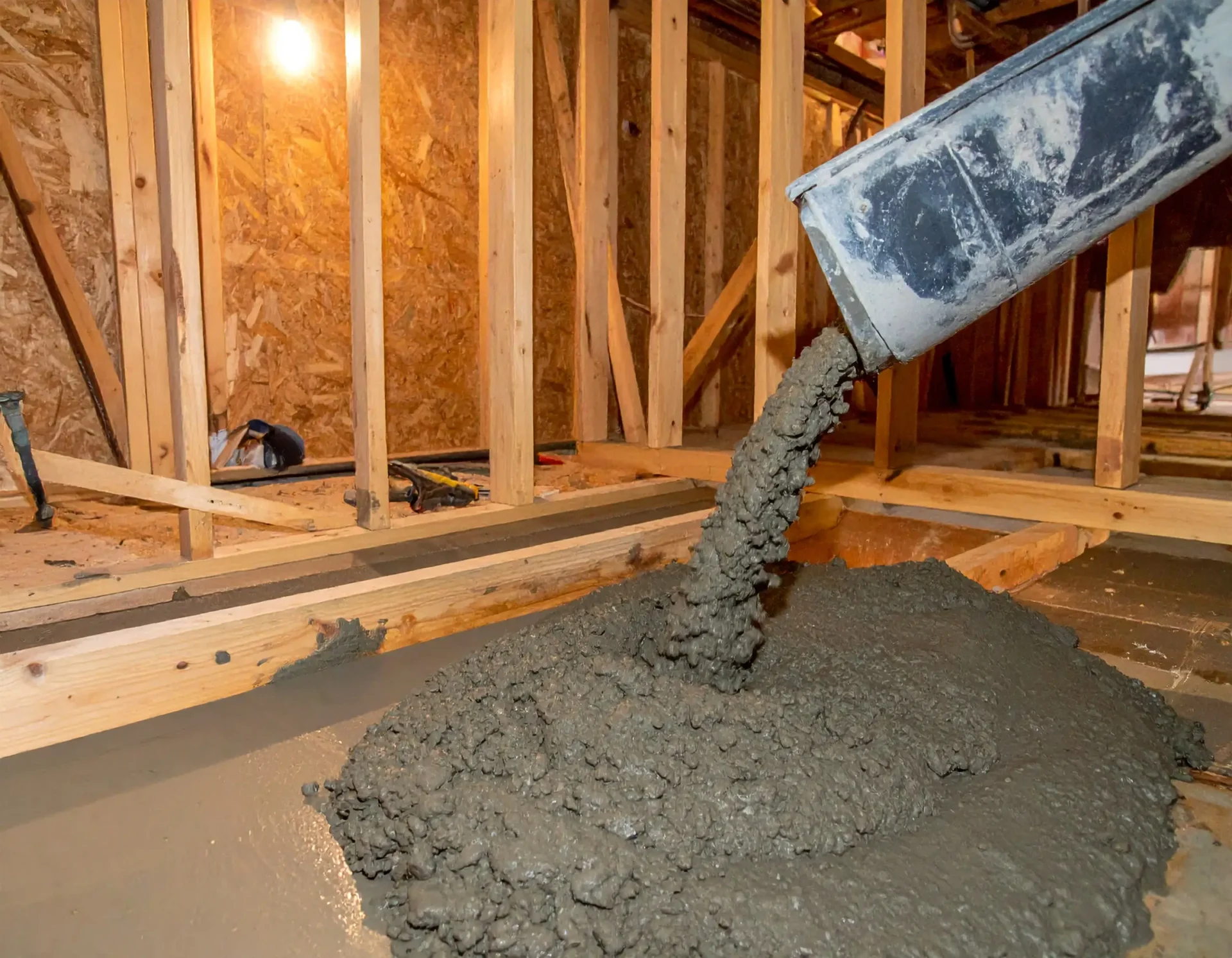
Homes often reveal their condition through subtle warning signs, and the basement is no exception. When issues begin to show, they are more than surface-level inconveniences—they can signal deeper structural concerns. Basement underpinning is one of the most effective solutions when these signs appear, strengthening the foundation while creating additional space and long-term stability. Underpinning involves carefully lowering the basement floor and reinforcing the foundation so the entire structure rests securely on a stronger footing.
The challenge for many homeowners lies in recognizing when underpinning is truly necessary. While some symptoms may seem minor at first glance, they can indicate significant underlying issues that will only grow worse over time. Understanding these warning signs allows homeowners to act early, protect their investment, and avoid higher repair costs. It also provides peace of mind knowing the home is supported by a foundation designed to last for decades.
Cracks in Walls or Floors
Cracks are one of the most common indicators of foundation stress. Hairline cracks in concrete are normal as a house naturally settles, but wider, uneven, or expanding cracks should raise concern. Horizontal cracks along basement walls are particularly troubling, as they may suggest that soil pressure is pushing against the foundation. Diagonal cracks, often found near corners of windows or doors, may also indicate movement below the surface.
If left unaddressed, cracks create more than an aesthetic issue. They provide entry points for water, which weakens the concrete and accelerates structural deterioration. Over time, they can spread into other parts of the home, showing up as gaps in drywall or misaligned trim upstairs. Underpinning doesn’t just patch the visible cracks; it stabilizes the foundation and redistributes the weight of the home so cracks stop forming. By treating the source rather than the symptoms, underpinning ensures the entire structure is secured.
Uneven or Sagging Floors
Floors that slope, dip, or feel uneven underfoot often point to movement in the foundation. This can happen when soil beneath the home shifts due to moisture changes, poor compaction, or natural settling over time. As the foundation shifts, the stress is distributed unevenly, causing floors to slope and sometimes walls to bow. For homeowners, this is often noticed when doors don’t close properly, furniture leans, or flooring materials separate.
The issue goes beyond inconvenience. Sagging floors place stress on joists, beams, and walls throughout the house. Left unchecked, this can lead to significant structural damage that becomes costly to repair. Underpinning restores balance by reinforcing the soil and deepening the foundation, creating stable support for the entire building. Correcting the problem early prevents the cascading effect of damage, which can spread from the basement to every level of the home.
Low Ceilings and Cramped Spaces
Not every sign of underpinning is negative; sometimes the problem is simply a lack of space. Many older basements were built with ceilings too low for comfortable use. These spaces often serve as storage areas, mechanical rooms, or laundry spaces because they cannot accommodate living areas. Families who feel cramped in their homes often overlook the basement’s potential simply because of the ceiling height.
Basement underpinning solves this by lowering the floor, increasing usable height, and transforming a cramped space into a functional living area. The benefits are wide-ranging: an underpinned basement can become a family room, a rental suite, or even a home gym. Beyond adding square footage, it creates flexibility for changing needs over time. For families who would otherwise consider moving to gain more room, underpinning offers a cost-effective way to maximize existing space without expanding outward.
Water or Moisture Issues
Water is one of the most damaging forces a basement can face. Persistent dampness, puddles after rainfall, or a musty smell often point to weaknesses in the foundation. Over time, water intrusion can lead to mould growth, wood rot, and even deterioration of the concrete itself. This not only affects the structural integrity of the home but also creates health concerns for those living inside.
Underpinning provides an opportunity to strengthen the foundation while integrating modern waterproofing solutions. As the basement floor is lowered, drainage systems, sump pumps, and moisture barriers can be installed to prevent future water problems. By combining underpinning with waterproofing, homeowners create a basement that is dry, safe, and comfortable. This transforms a space that was once avoided into one that is actively used and enjoyed.
Other Warning Signs to Watch For
In addition to cracks, uneven floors, and moisture issues, several other signals may suggest the need for underpinning. Doors or windows that suddenly stick or fail to close smoothly can point to shifting foundations that throw the frames out of alignment. Chimneys that tilt or separate from the main structure are also signs of uneven settling. Even unexplained noises, such as creaks and groans from shifting joists, may hint at underlying stress in the foundation.
These symptoms should never be ignored, even if they seem minor. What appears to be a small issue can quickly escalate into a major structural concern. Professional assessment provides clarity, helping homeowners distinguish between cosmetic flaws and true foundation problems. The earlier underpinning is considered, the easier and more cost-effective the solution becomes.
What To Do If You Notice These Signs
The first step is acknowledging that these warning signs should not be dismissed. Foundation problems do not resolve themselves, and waiting often leads to higher repair costs. Consulting a professional with expertise in underpinning is the most reliable way to determine whether action is needed. An inspection will identify the cause of the issues and provide clear recommendations.
Homeowners should avoid relying on cosmetic repairs or quick fixes, such as patching cracks with filler or applying sealant to damp areas. These solutions may hide the problem temporarily, but do nothing to stop its progression. Underpinning addresses the root of the issue, ensuring the foundation is strengthened and stabilized for the long term. Choosing a qualified, experienced team ensures the process is carried out safely and effectively, protecting the investment for years to come.
Don’t Ignore the Signs
A home communicates through the signs it shows, and the basement is often where problems appear first. Cracks in the walls, uneven floors, moisture issues, and cramped spaces are not inconveniences to be ignored—they are warnings of deeper structural concerns. Basement underpinning provides a proven solution, reinforcing the foundation while creating more space and stability for the future.
Taking action early ensures that small issues do not turn into major repairs. By recognizing the signs and consulting experts, homeowners can transform potential risks into opportunities for growth. A strong foundation is the cornerstone of every safe and comfortable home, and underpinning ensures that strength lasts for generations. Ignoring the signs is costly; addressing them is an investment in long-term security.
