

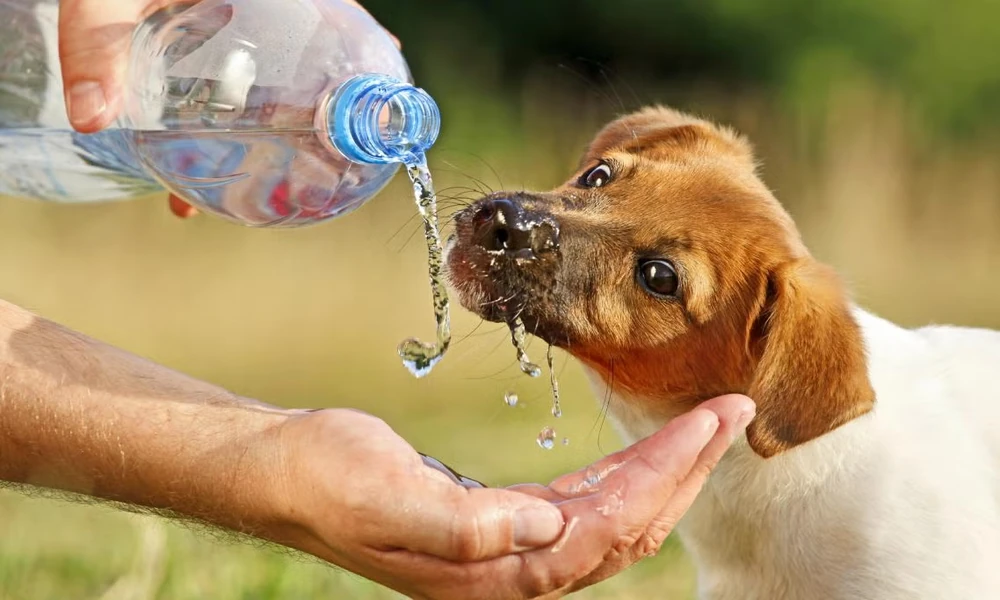
You noticed something was off. Maybe your dog came inside panting harder than usual and would not settle down. Maybe your cat looked weak after a hot room or your rabbit felt warm and limp when you picked them up. Heat exposure can turn serious fast, and when it does, panic sets in just as quickly. You want to help right away, but you also do not want to make things worse by guessing. In that moment, contacting a veterinarian in Gardiner can help you act quickly and safely.
How Animal Clinics Help Pets Recover From Heat Exposure comes down to speed, careful cooling, and medical support that protects the brain, lungs, heart, and kidneys while your pet stabilizes. Some pets only need prompt treatment and observation. Others need oxygen, IV fluids, bloodwork, and close monitoring for complications that may not show up in the first few minutes.
Heat exposure in pets becomes a medical emergency faster than many owners expect
Pets do not cool themselves the way people do. Dogs rely heavily on panting. Cats hide illness well, so by the time you see weakness or drooling, they may already be in trouble. Rabbits are even more sensitive to heat and can decline with frightening speed. A hot car, a long walk, a yard with little shade, poor airflow indoors, or even a warm afternoon that did not seem extreme can push a pet past their limit.
The early signs can look easy to brush off. Heavy panting, restlessness, bright red gums, drooling, vomiting, or stumbling may seem like overexertion at first. Then the picture changes. Your pet may collapse, become confused, have diarrhea, or stop responding normally. Heatstroke can damage organs, trigger abnormal clotting, and lead to shock. That is why pet heatstroke treatment is not just about getting body temperature down. It is about preventing the chain reaction that follows severe overheating.
Veterinary teams treat the visible crisis and the hidden one. They check temperature, heart rate, breathing, hydration, gum color, and mental status right away. They also look for the complications owners cannot see at home, including kidney injury, low blood sugar, electrolyte shifts, and breathing distress. Virginia Tech’s guidance on pet heatstroke explains how quickly this condition can escalate and why urgent veterinary care matters.
Animal clinic care supports cooling, circulation, and organ protection
An animal clinic for heat exposure does more than cool a pet with water or fans. The team uses controlled cooling because bringing temperature down too fast or too aggressively can create new problems. They may apply cool water, use airflow, provide oxygen, and start IV fluids to support circulation and hydration. If your pet is vomiting, weak, or not fully alert, fluids and monitoring become even more important.
Blood tests often follow once the pet is stable enough. That helps the clinic see whether the kidneys, liver, or clotting system have been affected. Some pets need anti nausea medication, glucose support, or treatment for seizures. Others need to stay for observation because they look better at first, then worsen as internal damage shows up later.
You may also be dealing with guilt in the middle of all this. Owners often replay the day and wonder what they missed. The truth is that heat illness can develop quickly, even in attentive homes. Flat faced dogs, senior pets, overweight pets, thick coated breeds, rabbits, and pets with heart or airway disease are at higher risk, but any pet can overheat.
Home cooling helps, but veterinary treatment addresses the danger underneath
There is a place for first aid. Move your pet to a cooler area. Offer small amounts of water if they are alert. Use cool, not ice cold, water on the body and increase airflow. Then call an animal clinic and head in if your pet is showing more than mild signs. Waiting to see if they bounce back can cost valuable time.
| Situation | What You Can Do at Home | What an Animal Clinic Can Do | Main Risk of Waiting |
|---|---|---|---|
| Mild overheating with panting | Move to shade or air conditioning, offer water, use cool water and a fan | Assess temperature, hydration, breathing, and whether deeper injury has started | Symptoms may worsen after you think the crisis has passed |
| Vomiting, weakness, or stumbling | Begin cooling during transport if safe | Start IV fluids, oxygen, bloodwork, and active monitoring | Shock, dehydration, and organ injury can develop quickly |
| Collapse, seizures, or unresponsiveness | Transport immediately, keep airway clear, avoid forcing water | Emergency stabilization and treatment for life threatening complications | Brain injury, clotting problems, kidney failure, death |
For prevention and early warning signs across dogs, cats, and rabbits, the University of Connecticut offers useful heat safety guidance for pets. That kind of planning matters because the best recovery is the one your pet never has to fight through.
Quick action after heat exposure gives pets a better chance to recover well
Recovery depends on how high the body temperature climbed, how long the pet stayed overheated, and how fast treatment began. Some pets recover fully within a day or two. Others need longer care and follow up testing. The difference often comes down to minutes, not hours.
If you are wondering whether you are overreacting, that usually means your pet should be checked. Heat illness can look messy and confusing. A dog may seem brighter after a few minutes in air conditioning, then start vomiting later. A rabbit may become quiet rather than dramatic. A cat may hide instead of showing obvious distress. Those gray areas are exactly where veterinary judgment helps most.
Three immediate steps to take when a pet shows signs of overheating
Move your pet and start gentle cooling. Get them out of the heat at once. Use a cool room, shade, a fan, and cool water on the body. Do not use ice baths. Do not wrap them in wet towels that trap heat.
Call an animal clinic while you are acting. Describe the signs clearly. Say if your pet is vomiting, stumbling, weak, or unresponsive. The clinic can tell you how to continue cooling on the way and prepare for arrival.
Watch for delayed decline. Even if your pet seems improved, keep a close eye on breathing, energy, gum color, vomiting, and coordination. Heat injury can keep unfolding after the surface signs ease.
When a pet overheats, fast help matters and calm decisions matter just as much. Animal clinic teams are there to cool safely, stabilize the body, and catch the internal damage that owners cannot see from the outside. If your pet may be suffering from heat exposure, seek veterinary care right away.
