

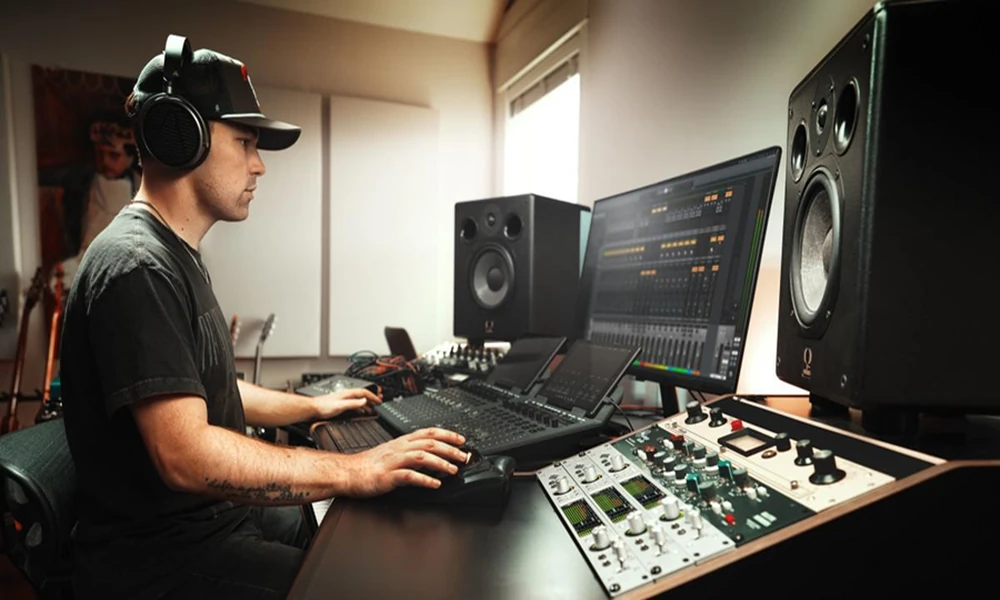
When people imagine a career in music, they often picture a singer performing under bright lights or a guitarist playing to a packed audience. However, the music industry involves much more than performing on stage. Behind every successful recording, concert, and artist release is a network of creative, technical, and business professionals.
For people who love music but do not necessarily want to become performers, these behind-the-scenes careers offer different ways to participate in the industry.
Understanding the available roles, developing practical abilities, and choosing suitable training can help aspiring professionals identify a direction that matches their interests and strengths.
Explore Career Opportunities Beyond Performance
The music industry includes several professional paths that do not require performing in front of an audience. Each involves different responsibilities, working environments, and technical or creative abilities.
Music Production
Music producers help shape the creative direction and sound of recordings. Depending on the project, they may contribute to arrangements, recording sessions, editing, and decisions about the finished track.
This career can appeal to people who enjoy combining musical creativity with technology and collaborative problem-solving.
Audio Engineering
Audio engineers focus on recording, editing, mixing, and managing sound. Their work may take place in recording studios, live venues, broadcast environments, or other production settings.
Developing listening skills and understanding microphones, signal flow, recording software, and acoustic principles can provide a useful foundation.
Music Business and Artist Management
Not every music career centers on creating recordings. Artist managers, marketing professionals, label staff, and music business specialists contribute to the commercial and organizational side of the industry.
Their responsibilities may involve coordinating projects, planning promotional activities, managing relationships, or understanding music licensing and distribution.
Live Event Production
Concerts and music events depend on technical and logistical teams. Sound technicians, lighting operators, stage coordinators, and production managers work together to support live performances.
People who enjoy practical problem-solving, teamwork, and dynamic environments may find this area particularly interesting.
Choose Training That Matches Your Career Direction
Once a potential career path becomes clearer, the next step is identifying the knowledge and experience needed to pursue it.
Different roles require different combinations of technical expertise, creativity, communication, and business understanding. An aspiring audio engineer may prioritize recording technology and sound fundamentals, while someone interested in artist management may focus on contracts, marketing, and project coordination.
Structured education can provide an organized way to develop these abilities. For example, comparing music industry college programs can help prospective students understand how performance, production, recording, and music business disciplines are organized into different educational pathways.
However, formal education is not the only route into music-related work.
Independent study, workshops, internships, and collaborative projects can also support professional development. The most appropriate approach depends on personal learning preferences, available resources, career goals, and the type of experience required.
Before committing to a course or training program, consider several practical questions:
- Does the curriculum address the skills required for the intended role?
- Are there opportunities to work with relevant equipment or software?
- Does the learning environment encourage collaboration and feedback?
- Can the schedule and financial commitment fit personal circumstances?
- Will the training help produce work that demonstrates practical ability?
Evaluating education through these questions is more useful than choosing a program solely because of its title or reputation.
Develop Practical Experience and a Professional Portfolio
Learning industry concepts is valuable, but applying them in realistic situations helps turn knowledge into usable skills.
Someone interested in music production might begin by recording local musicians, creating arrangements, or producing original tracks. An aspiring audio engineer could practice recording different instruments, editing sessions, and comparing mixes across playback systems.
For music business careers, useful projects might include organizing a small release campaign, helping an independent artist plan promotional activities, or supporting a community music event.
These experiences can become the foundation of a professional portfolio.
A strong portfolio should demonstrate specific responsibilities and results rather than simply list software knowledge or course attendance. Examples might include completed recordings, event production plans, promotional materials, or documented collaborative projects.
It is equally important to explain the thinking behind the work. What problem needed solving? Which decisions were made? What changed during the project?
Providing this context helps potential collaborators understand both technical ability and professional judgment.
Beginners do not need expensive equipment or major industry connections to start developing examples of their work. Small, carefully completed projects can still demonstrate initiative, reliability, and a willingness to improve.
Build Relationships and Understand How the Industry Works
Music is highly collaborative. Even technically skilled professionals need to communicate clearly, meet commitments, and work effectively with people whose responsibilities differ from their own.
Building professional relationships can begin through local music communities, student projects, workshops, industry events, and independent creative collaborations.
Rather than approaching every interaction as an opportunity to obtain a job, focus on contributing something useful. Offering reliable assistance, sharing relevant expertise, and following through on commitments can establish credibility over time.
Understanding the business side of music is also valuable, even for people pursuing technical or creative roles.
Basic knowledge of agreements, intellectual property, budgeting, and payment arrangements can help professionals ask better questions and recognize when specialist guidance is needed.
For example, a producer working with an independent artist should understand the importance of clarifying responsibilities, ownership expectations, and compensation before beginning a project.
Career development also requires adaptability. Different projects may demand unfamiliar tools, new collaborators, or additional responsibilities.
Regularly reviewing completed work, identifying skill gaps, and seeking constructive feedback can help professionals make informed decisions about what to learn next.
Conclusion
A career in music does not have to begin with a microphone or an instrument on stage. Production, engineering, business operations, and live event management all offer opportunities to contribute to music in meaningful ways.
The most useful starting point is to identify a role that matches personal interests, understand its practical requirements, and begin building relevant experience.
Whether someone chooses structured education, independent learning, or a combination of both, consistent practice and thoughtful collaboration remain essential.
Rather than searching for a single perfect route into the industry, aspiring professionals can focus on developing demonstrable abilities, building trustworthy relationships, and making steady progress toward work they genuinely enjoy.
