

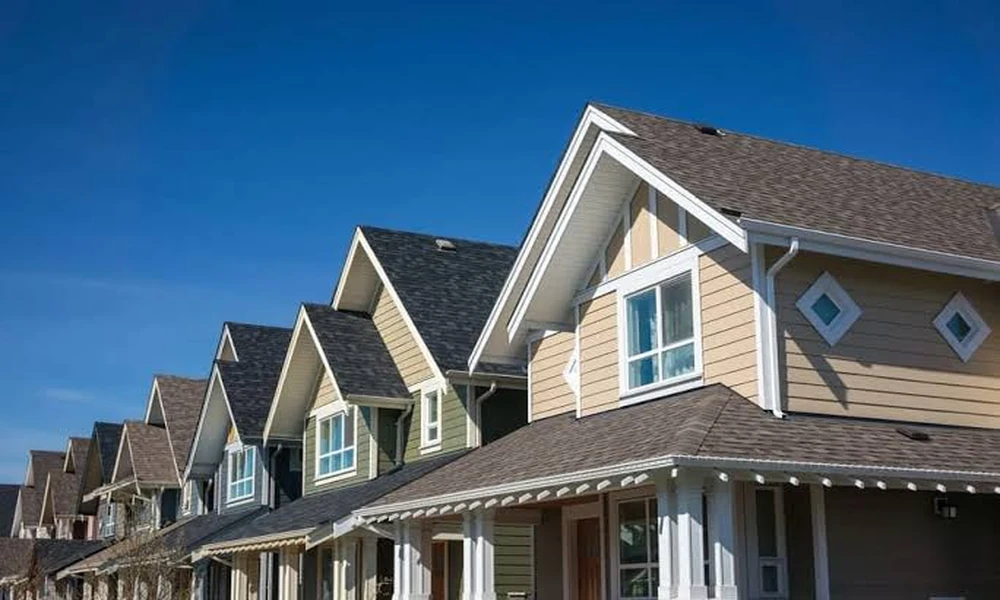
In a lot of North Texas neighborhoods, replacing a roof isn’t just a contractor decision. It’s a submission to an architectural review committee, with forms, samples, and a waiting period. Homeowners often hear rules from neighbors that aren’t quite accurate: that the HOA can dictate any shingle it likes, or that it can’t say anything at all. The truth sits in between, and the state of Texas has weighed in on part of it. The best way to handle the process is to assemble a packet, one piece at a time.
Piece one: read your own documents
Start with the declaration and the design guidelines for your subdivision. Look for the sections on roofing materials, colors, and the approval process. Note whether you need written approval before starting, how long the committee has to respond, what the application requires, and what happens if you skip a step.
Most disputes aren’t about the law. They’re about process, such as a roof installed before approval or a form that was never filed. Keep copies of everything you submit and everything you receive.
Piece two: pin down the product
A review committee can’t evaluate a shingle by its name alone, so you need specifics. Ask the Little Elm roofing company you’re considering to supply the manufacturer’s product data sheets, color names, and the performance features of each option, such as wind ratings, impact ratings, and any reflectivity or energy performance information. Ask for physical samples, not just catalog photos, since colors look different on a board than on a roof.
Having the product documentation matters for a second reason, which comes up in piece five. Whether a shingle qualifies for special treatment under Texas law depends on what it was designed to do, and the data sheet is how you show it.
Piece three: show how it looks next to the neighbors
Committees care about appearance, and the strongest argument is a visual one. Photograph roofs in your neighborhood that use similar materials and colors, and include them with your application. Take a picture of your house and the houses on either side. Many applications go more smoothly when the committee can see that the new roof will blend in, instead of having to imagine it.
If your contractor can provide photos of the same product on a similar home, add those too.
Piece four: submit it properly
Fill out the form completely, attach the documents, and follow the committee’s instructions for delivery. Send it in a way that gives you a record, and write down the date. Don’t schedule the tear off until you have written approval, even when you’re in a hurry. After a hailstorm, contractors are booked for weeks and the pressure to move fast is real, but starting without approval is the easiest way to turn a routine request into a dispute.
If approval takes longer than the timeline in your documents, follow up in writing and cite the deadline.
Piece five: know what the statute covers
Texas Property Code section 202.011 limits what an association can do about certain shingles. According to the statute text, a property owners’ association may not include or enforce a provision that prohibits or restricts an owner who is otherwise authorized to install shingles from installing shingles that are designed primarily to be wind and hail resistant, to provide heating and cooling efficiencies greater than those provided by customary composite shingles, or to provide solar generation capabilities. But the protection comes with conditions. When installed, the shingles must resemble the shingles used or authorized in the subdivision, be more durable than and of equal or superior quality to those shingles, and match the aesthetics of the property surrounding the owner’s property.
In plain terms: an association can’t flatly ban hail resistant or energy efficient shingles, but it can still ask that they look like what the neighborhood already has. That’s why pieces two and three matter. The data sheet shows what the shingle is designed to do, and the photos show how it looks. The statute applies to shingles specifically, and other provisions govern things like solar panels, so read the actual text and your own documents instead of relying on a summary.
Piece six: if the answer is no
If the committee denies your request, ask for the decision in writing, with the specific provision it relies on. Check whether the reason is about appearance, which the statute leaves room for, or whether it amounts to a blanket ban on a category the statute protects. Respond politely and in writing, attach your product documentation and photos, and ask whether a different color or profile within the same product line would be acceptable.
If you can’t resolve it, consider talking with an attorney who handles community association matters before you sign a roofing contract or pay a deposit. A short consultation can save a lot of money compared with a dispute after the fact.
The completed packet
Put the pieces together in one folder, paper or digital. The documents, the product data and samples, the photos, the submission record, the statute, and any correspondence. If the process goes smoothly, you’ll have a record of approval. If it doesn’t, you’ll have a clear timeline.
A new roof is a significant purchase, and the approval process is easier when it’s treated as part of the project instead of a hurdle at the end. Build the packet before you sign the contract, ask your roofer to help with the product details, and give the committee what it needs to say yes.
This article is general information, not legal advice. Statutes and association documents differ, so check the current law and your own governing documents, and consult a licensed attorney about your situation.
