

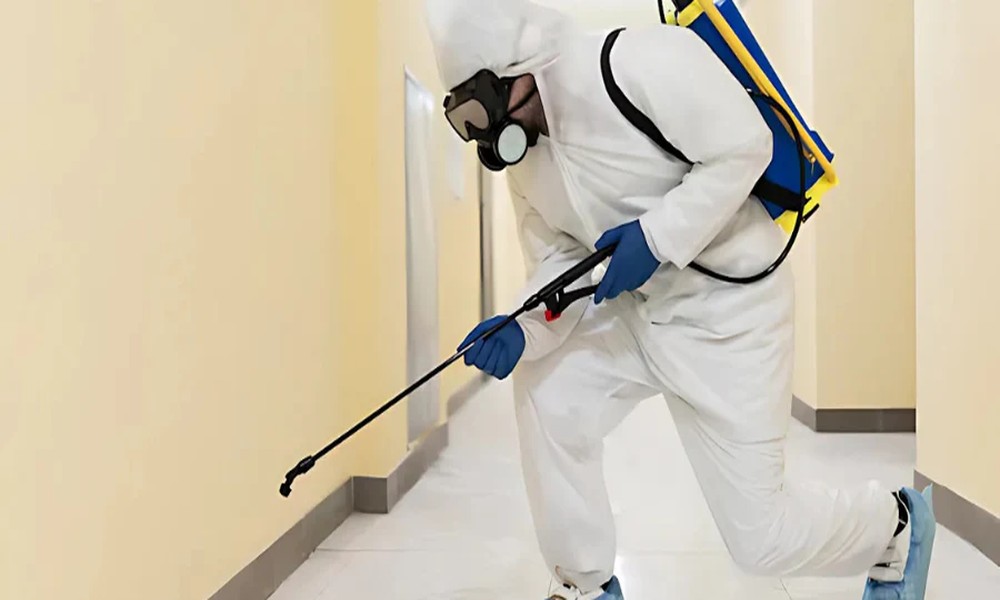
Scratching sounds behind drywall, droppings on pantry shelves, or a sudden swarm of ants in the kitchen, these everyday frustrations leave many property owners in Dayton helpless. The solution begins with recognizing which warning signs demand professional intervention rather than a store-bought trap. This article covers five clear indicators that signal an infestation has moved beyond a casual nuisance.
1. Immediate Danger Signals in Your Walls
Strange sounds from inside walls often point to active pest colonies. Scratching, scurrying, or gnawing noises indicate rodents or insects have established nests within structural cavities. A qualified Exterminator near Dayton, Ohio, can inspect these hidden areas using specialized tools. Many homes in Dayton feature older insulation and wiring, which attract pests seeking warmth and shelter. These sounds rarely stop without intervention, as the colony continues to grow.
2. Visible Pest Activity During Daylight Hours
Most nocturnal pests avoid daylight, so daytime sightings signal a severe infestation. When rodents, cockroaches, or bed bugs appear in open areas during morning hours, their hiding spaces have reached capacity.
The following points describe specific daytime pest behaviors that warrant immediate professional help –
- Ant trails across kitchen countertops suggest a satellite colony somewhere inside the walls.
- Rodents active near baseboards or appliances indicate overcrowding in wall voids or attics.
- Cluster flies emerging around windows point to large overwintering populations.
- Cockroaches seen in broad daylight mean a harborage site has become completely saturated.
Does seeing one mouse during the day mean there are more?
Yes. Mice are nocturnal, so a daytime sighting almost always confirms a large population.
3. Unusual Odors and Pest Droppings Indoors
Foul smells provide some of the earliest clues for hidden infestations. A musty, ammonia-like odor often signals rodent urine accumulation inside walls or crawl spaces. Droppings near food storage areas or along baseboards confirm active pest presence. Mice produce up to seventy droppings daily, so even a small visible quantity suggests a large population.
4. Property Damage That Continues to Spread
Can property damage from pests affect a home’s resale value? Absolutely. Unaddressed structural damage appears during home inspections and lowers the market value significantly.
Structural deterioration without an obvious cause frequently traces back to pest activity. Wood that sounds hollow when tapped indicates termite or carpenter ant damage. Gnaw marks on electrical wires or wooden beams expand daily as pests maintain their teeth.
5. Rapid Bug Population Growth Around the Home
Sudden surges in insect numbers around entry points demand a fast professional response. A few ants in March can become thousands by May if the colony finds consistent food sources. Stink bugs gathering on south-facing walls in autumn indicate an impending indoor migration. Earwigs appearing after heavy rain suggest saturated soil pushes populations toward dry indoor spaces.
Why Contact a Certified Exterminator in Dayton
Professional pest control brings systematic solutions that over-the-counter products cannot match. A certified Exterminator near Dayton, Ohio, follows a structured process to eliminate current infestations.
What does a professional bring to a pest situation?
- The technician finds hidden entry points, nesting sites, and the exact source of pest activity.
- A property evaluation reveals moisture issues or structural gaps that allow pests to thrive.
- Treatment plans match the specific pest type, including insects, rodents, or wildlife.
Waiting to address pest signs often transforms a simple treatment into a costly repair project. Dayton’s mix of historic homes and rental properties creates diverse pest pressures that shift with each season. One practical takeaway involves inspecting the property perimeter monthly with a flashlight, noting any new sounds, smells, or droppings. Documenting changes over time helps professionals target exact problem areas during their first visit. A rapid response today prevents a full infestation tomorrow.
